Friday, 1 January 2016

Amazing Cake Recipes Recipe For Carrot Banana Vanilla Sponge Carrot Fruit Cake Photos

Amazing Cake Recipes Biography

Source Link(Google.com.pk)

Cake is a form of sweet dessert that is typically baked. In its oldest forms, cakes were modifications of breads but now cover a wide range of preparations that can be simple or elaborate and share features with other desserts such as pastries, meringues, custards and pies.

Typical cake ingredients are flour, sugar, eggs, butter or oil, a liquid, and leavening agents, such as baking soda and/or baking powder. Common additional ingredients and flavourings include dried, candied or fresh fruit, nuts, cocoa, and extracts such as vanilla, with numerous substitutions for the primary ingredients. Cakes can also be filled with fruit preserves or dessert sauces (like pastry cream), iced with buttercream or other icings, and decorated with marzipan, piped borders, or candied fruit.

Cake is often served as a celebratory dish on ceremonial occasions, for example weddings, anniversaries, and birthdays. There are countless cake recipes; some are bread-like, some rich and elaborate, and many are centuries old. Cake making is no longer a complicated procedure; while at one time considerable labor went into cake making (particularly the whisking of egg foams), baking equipment and directions have been simplified so that even the most amateur cook may bake a cake.

Cakes are broadly divided into several categories, based primarily on ingredients and mixing techniques.

Butter cakes are made from creamed butter, sugar, eggs, and four. They rely on the combination of butter and sugar beaten for an extended time to incorporate air into the batter.A classic pound cake is made with a pound each of butter, sugar, eggs, and flour. Baking powder is in many butter cakes, such as Victoria sponge.The ingredients are sometimes mixed without creaming the butter, using recipes for simple and quick cakes.
Sponge cakes (or foam cakes) are made from whipped eggs, sugar, and flour. They rely primarily on trapped air in a protein matrix (generally of beaten eggs) to provide leavening, sometimes with a bit of baking powder or other chemical leaven added as insurance. Sponge cakes are thought to be the oldest cakes made without yeast. An angel food cake is a white sponge cake that uses only the whites of the eggs and is traditionally baked in a tube pan. The French Génoise is a sponge cake that includes clarified butter. Highly decorated sponge cakes with lavish toppings are sometimes called gateau; the French word for cake.
Chiffon cakes are sponge cakes with vegetable oil, which adds moistness.
Chocolate cakes are butter cakes, sponge cakes, or other cakes flavored with melted chocolate or cocoa powder.German chocolate cake is a variety of chocolate cake. Fudge cakes are chocolate cakes that contains fudge.
Coffee cake is generally thought of as a cake to serve with coffee or tea at breakfast or at a coffee break. Some types use yeast as a leavening agent while others use baking soda and/or baking powder. These cakes often have a crumb topping called streusel and/or a light glaze drizzle.
Baked flourless cakes include baked cheesecakes and flourless chocolate cakes. Cheesecakes, despite their name, aren't really cakes at all. Cheesecakes are in fact custard pies, with a filling made mostly of some form of cheese (often cream cheese, mascarpone, ricotta, or the like), and have very little flour added, although a flour-based or graham cracker crust may be used. Cheesecakes are also very old, with evidence of honey-sweetened cakes dating back to ancient Greece.
Butter or oil layer cakes include most of the traditional cakes used as birthday cakes, etc., and those sold as packaged cakes. Baking powder or bicarbonate of soda are used to provide both lift and a moist texture. Many flavorings and ingredients may be added; examples include devil's food cake, carrot cake, and banana bread.
Yeast cakes are the oldest and are very similar to yeast breads. Such cakes are often very traditional in form, and include such pastries as babka and stollen.
Some varieties of cake are widely available in the form of cake mixes, wherein some of the ingredients (usually flour, sugar, flavoring, baking powder, and sometimes some form of fat) are premixed, and the cook needs add only a few extra ingredients, usually eggs, water, and sometimes vegetable oil or butter. While the diversity of represented styles is limited, cake mixes do provide an easy and readily available homemade option for cooks who are not accomplished bakers.

Cakes may be classified according to the occasion for which they are intended. For example, wedding cakes, birthday cakes, cakes for first communion, Christmas cakes, Halloween cakes, and Passover plava (a type of sponge cake sometimes made with matzo meal) are all identified primarily according to the celebration they are intended to accompany. The cutting of a wedding cake constitutes a social ceremony in some cultures. The Ancient Roman marriage ritual of confarreatio originated in the sharing of a cake.

Particular types of cake may be associated with particular festivals, such as stollen or chocolate log (at Christmas), babka and simnel cake (at Easter), or mooncake. There has been a long tradition of decorating an iced cake at Christmas time; other cakes associated with Christmas include chocolate log and mince pies.

A Lancashire Courting Cake is a fruit-filled cake baked by a fiancée for her betrothed. The cake has been described as "somewhere between a firm sponge - with a greater proportion of flour to fat and eggs than a Victoria sponge cake - and a shortbread base and was proof of the bride-to-be’s baking skills." Traditionally it is a two-layer cake filled and topped with strawberries or raspberries and whipped cream.

Amazing Cake Recipes Recipe For Carrot Banana Vanilla Sponge Carrot Fruit Cake Photos
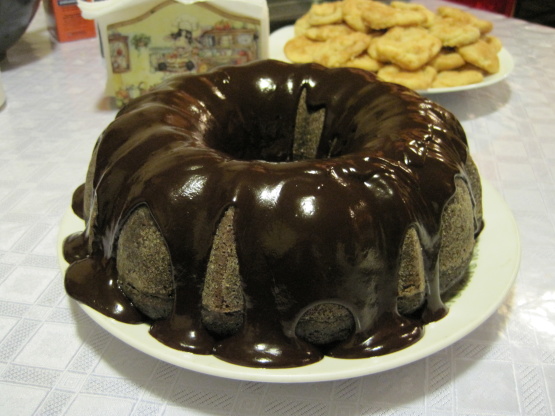

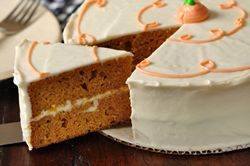
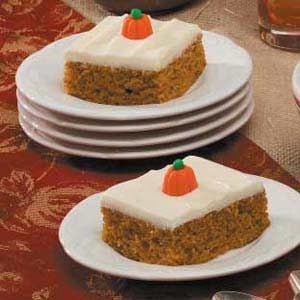
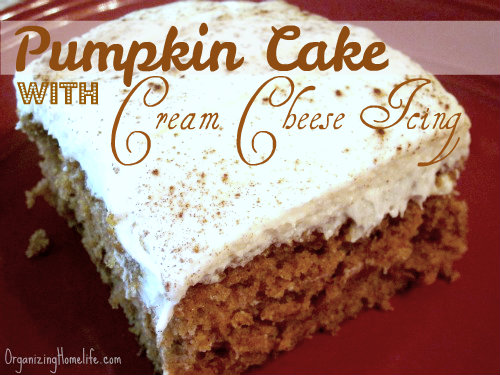
Pumpkin Cake Recipe For Carrot Banana Vanilla Sponge Carrot Fruit Cake Photos

Pumpkin Cake Recipe Biography

Source Link(Google.com.pk)

The two are first introduced as newborn foals in the episode Baby Cakes, where Twilight Sparkle, Rarity, Fluttershy, Rainbow Dash, Applejack, and Pinkie Pie visit them at hospital. They are surprised to find out that Pound Cake is a male Pegasus and Pumpkin Cake a female unicorn, despite the fact that their parents are both Earth ponies. Mr. Cake explains by referring to distantly related unicorns and Pegasi in his and Mrs. Cake's family trees. Rainbow Dash, Twilight Sparkle, and Rarity caution the Cakes that young unicorns can exhibit bursts of magical power and that young Pegasi can be quite a handful once they learn how to use their wings.

The next scene shows the toddlers playing with Pinkie Pie on what she calls their "month-i-versary." Despite being only one month old, Pound Cake and Pumpkin Cake are already able to run around the house. That same day, the Cakes are also in need of a babysitter, and after Twilight Sparkle, Applejack, Rainbow Dash, Rarity, and Fluttershy decline the offer, they reluctantly ask Pinkie Pie to take care of the foals while they deliver a catering order.

This proves more difficult and less fun than Pinkie had expected. Her attempts to calm the foals when their parents leave, including trying to feed or bathe them, all end with the babies crying. Each time Pinkie can calm them only by emptying a bag of flour over her head, which amuses the foals greatly, but is a huge pain for Pinkie, especially in one scene where Pinkie Pie attempts to give the two foals a bath, and, as a last resort, ends up dumping another bag of flour on top of her head. Pinkie has become very wet while trying to give the twins a bath, and the flour mixed with the water ends up creating a sticky, doughy mixture on top of Pinkie's head.

Later, they also prove Twilight Sparkle and Rarity's concerns from the beginning valid. Pound Cake makes it difficult for Pinkie to chase after him when he starts flying and walking on the ceiling with the help of his wings, whereas Pumpkin Cake uses unicorn magic to levitate herself, phase through the laundry basket Pinkie Pie that trapped the two under, and break chains which Pinkie locked a toy chest with.

Eventually, Pinkie Pie breaks into tears when she realizes she cannot keep the foals under control. Only then do the babies stop playing around and feel guilty for their behavior. They attempt to cheer Pinkie up by imitating what she did to amuse them; emptying a bag of flour over their heads. The next scene shows them peacefully sleeping in their crib, giving Pinkie the opportunity to clean up Sugarcube Corner before their parents come home.
Pound Cake displays a habit of pounding on things and Pumpkin Cake has a habit of chewing on objects that aren't food, including a table cloth, a towel, and several toys. She also tries to chew on a broom stick that Pinkie Pie uses. Pumpkin Cake is also the first unicorn to be seen levitating herself.

The foals say one word each in Baby Cakes, spoken by Andrea Libman and Tabitha St. Germain:Pound says "Pinkie", followed by Pumpkin saying "Pie..."

Twins Giggle S02E18
Pound Cake and Pumpkin Cake in A Friend in Deed.
Pound Cake and Pumpkin Cake make a brief appearance in the opening of the episode A Friend in Deed, watching Pinkie Pie do some sort of aerobic exercises. Initially unamused by Pinkie Pie's attempts to coax them into laughter, they become amused after Pinkie Pie manages to get into an accident, mirroring their behavior in Baby Cakes.
The twins appear briefly again in Ponyville Confidential, throwing a tantrum which is photographed and later featured in a "Gabby Gums" column of the Foal Free Press.

INGREDIENTS
For the pumpkin cake
2 cups cake flour, plus more for the pans
2 teaspoons baking powder
1 teaspoon baking soda
1 teaspoon ground cinnamon
1 teaspoon ground ginger
1/2 teaspoon ground nutmeg
1/8 teaspoon ground cloves
1/2 teaspoon salt
1/4 teaspoon freshly ground black pepper (I mean freshly ground!)
1 stick (4 ounces) unsalted butter, at room temperature, plus more for the pans
1 cup firmly packed dark brown sugar
1/3 cup granulated sugar
2 large eggs
1/2 cup buttermilk mixed with 1 teaspoon vanilla
1 1/4 cups canned solid-pack pumpkin
For the maple cream–cheese frosting
Two 8-ounce packages Philadelphia-brand cream cheese, softened
1 stick (4-ounces) unsalted butter, at room temperature
2 cups confectioners’ sugar
1/4 cup pure maple syrup, preferably grade B amber
DIRECTIONS
Make the pumpkin cake
1. Position a rack in the middle of the oven and crank the heat to 350° (175°C). Butter two 8-by-2-inch cake pans and line them with parchment circles cut to fit the pans. Butter the parchment and coat the pan with flour, tapping out any excess. (You can instead spritz the pans with cooking spray for baking, if that’s easier for you than buttering and flouring.)
2. Whisk the flour, baking powder, baking soda, cinnamon, ginger, nutmeg, cloves, salt, and pepper in a bowl until well combined. Take a whiff; it’s heaven. Set aside.
3. In the bowl of a stand mixer fitted with a paddle attachment (or in a large bowl with a good old-fashioned hand mixer on medium speed), beat the butter, dark brown sugar, and granulated sugar until fluffy, about 5 minutes.
4. Plop the eggs, 1 at a time, into the bowl, beating and scraping down the sides of the bowl after each addition. Alternate adding the flour and buttermilk mixtures to the bowl, starting and ending with the flour. Dump in the pumpkin and beat just until the pumpkin is incorporated and the cake bater is smooth.
5. Spoon the batter into the prepared cake pans, dividing it evenly. Give each filled pan a good smack flat against the counter to release any air bubbles. (Just hold the pan a couple inches above your countertop and drop it. Trust us. This works.) Bake the cakes until a toothpick inserted into the center comes out clean, 30 to 40 minutes. Let the cakes cool in the pans on a wire rack for 10 minutes. Carefully turn out the cakes from the pans onto the wire rack, peel off the parchment paper, turn them right side up, and let cool completely.
Make the maple-cream cheese frosting
6. In a stand mixer fitted with the paddle attachment (or in a bowl using a good old-fashioned hand mixer on medium speed), beat the cream cheese butter, confectioners’ sugar, and maple syrup until fluffy.
7. To assemble the cake, frost the top of one cake, then place the other cake on top. Frost the sides and top, swirling like the pro you are. Slip the the cake in the fridge for 30 minutes until the frosting is set, if needed.

Pumpkin Cake Recipe For Carrot Banana Vanilla Sponge Carrot Fruit Cake Photos

Birthday Cake Recipes For Adults Recipe For Carrot Banana Vanilla Sponge Carrot Fruit Cake Photos

Birthday Cake Recipes For Adults Biography

Source Link(Google.com.pk)

The birthday cake has been an integral part of the birthday celebrations in western European countries since the middle of the 19th century, which extended to Western culture.Certain rituals and traditions, such as singing of birthday songs, associated with birthday cakes are common to many Western cultures. The Western tradition of adding lit candles to the top of a birthday cake originates in 18th-century Germany. However, the intertwining of cakes and birthday celebrations stretches back to the ancient Romans. The development of the birthday cake has followed the development of culinary and confectionery advancement. While throughout most of Western history, these elaborate cakes in general were the privilege of the wealthy, birthday cakes are nowadays common to most Western birthday celebrations. Around the world many variations of the birthday cake, or rather the birthday pastry and sweets, exist. There is no universal rule about the shape and color of a birthday cake – in recent years for example cakes take the form of animals or have high-quality drawings on them in order to fit the party theme.

Greek theory
It is sometimes claimed that the tradition of placing candles on birthday cakes could be attributed to early Greeks: to honor the goddess's birth on the sixth day of every lunar month, “cakes brought to the temple of Artemis were adorned with candles to make them glow like the moon. ”The link between her presidency over fertility and the birthday tradition of candles on cakes, however, has not been established.

It is important to note that the invention of candles is ascribed to third century BC China and there is no evidence to support the speculation that the Ancient Greeks used candles of any sort.

Pagan theory

Kinder Fest.
The use of fire in ritual is ancient. "Birthday candles, in folk belief, are endowed with special magic for granting wishes. . . . Lighted tapers and sacrificial fires have had a special mystic significance ever since man first set up altars to his gods. The birthday candles are thus an honor and tribute to the birthday child and bring good fortune. . . . "

German theory

German celebration cake for the 100th anniversary
There is evidence of the use of candles on cakes at birthday celebrations in 18th Century Germany. This version of the tradition can be traced to Kinderfest (Kinder is the German word for 'children'), a birthday celebration for children.[6] This tradition and the birthday tradition we follow today mirror each other in the use of candles and cakes. German children were taken to something similar to an auditorium, where they were free to celebrate another year in an atmosphere where the Germans believed the adults might protect the children from the evil spirits attempting to steal innocent souls. In pagan culture it was believed evil spirits visited people on their birthdays. To protect the person having the birthday from evil, people used to surround him and make merry. Partygoers made much noise to scare away evil spirits. In those times there was no tradition of bringing gifts and guests would merely bring good wishes for the birthday person. However, if a guest did bring gifts it was considered to be a good sign for the person of honor. Later, flowers became quite popular as a birthday gift.

In 1746, a large birthday festival was held for Count Ludwig Von Zinzendorf of Marienborn Germany. Andrew Frey described the party in detail and mentions, "there was a Cake as large as any Oven could be found to bake it, and Holes made in the Cake according to the Years of the Person’s Age, every one having a Candle stuck into it, and one in the Middle."
A letter written in 1799 by Goethe recounts: "...when it was time for dessert, the prince's entire livery...carried a generous-size torte with colorful flaming candles - amounting to some fifty candles - that began to melt and threatened to burn down, instead of there being enough room for candles indicating upcoming years, as is the case with children's festivities of this kind...." As the excerpt indicates, the tradition at the time was to place one candle on the cake for each year of the individual's life, so that the number of candles on top of the cake would represent the age which some one had reached; sometimes a birthday cake would have some added candles 'indicating upcoming years.'
Swiss theory

A reference to the tradition of blowing out the candles was documented in Switzerland in 1881. Researchers for the Folk-Lore Journal recorded various "superstitions" amongst the Swiss middle class. The following statement was recorded: “A birthday-cake must have lighted candles arranged around it, one candle for each year of life. Before the cake is eaten, the person whose birthday it is should blow out the candles one after another.


Birthday Cake Recipes For Adults Recipe For Carrot Banana Vanilla Sponge Carrot Fruit Cake Photos


Fairy Cakes Recipe Recipe For Carrot Banana Vanilla Sponge Carrot Fruit Cake Photos

Fairy Cakes Recipe Biography

Source Link(Google.com.pk)

A Fiary cake is a small cake designed to serve one person, which may be baked in a small thin paper or aluminum cup. As with larger cakes, icing and other cake decorations, such as candy, may be applied.

The first mention of the cupcake can be traced as far back as 1796, when a recipe notation of "a cake to be baked in small cups" was written in American Cookery by Amelia Simmons.The earliest documentation of the term cupcake was in "Seventy-five Receipts for Pastry, Cakes, and Sweetmeats" in 1828 in Eliza Leslie's Receipts cookbook.

In the early 19th century, there were two different uses for the name cup cake or cupcake. In previous centuries, before muffin tins were widely available, the cakes were often baked in individual pottery cups, ramekins, or molds and took their name from the cups they were baked in. This is the use of the name that has remained, and the name of "cupcake" is now given to any small cake that is about the size of a teacup. While English fairy cakes vary in size more than American cupcakes, they are traditionally smaller and are rarely topped with elaborate icing.


The other kind of "cup cake" referred to a cake whose ingredients were measured by volume, using a standard-sized cup, instead of being weighed. Recipes whose ingredients were measured using a standard-sized cup could also be baked in cups; however, they were more commonly baked in tins as layers or loaves. In later years, when the use of volume measurements was firmly established in home kitchens, these recipes became known as 1234 cakes or quarter cakes, so called because they are made up of four ingredients: one cup of butter, two cups of sugar, three cups of flour, and four eggs.They are plain yellow cakes, somewhat less rich and less expensive than pound cake, due to using about half as much butter and eggs compared to pound cake. The names of these two major classes of cakes were intended to signal the method to the baker; "cup cake" uses a volume measurement, and "pound cake" uses a weight measurement.

Fairy cakes are the prettiest little cakes for a birthday party or just for a special treat; they are also known as butterfly buns. These simple fairy cakes are infused with vanilla and filled with jam and buttercream which make them sweet and delicious. This recipe can make 12 medium fairy cakes or 24 mini ones. Rachel Allen's fairy cakes are the perfect food gift for birthday parties to pop into kids party bags at the end of the day or would make a great activity for the kids to do, filling each cake with jam and cream and adding the sponge on top. These batch of fairy cakes take under 1hr to prepare and cook and taste as good as they look. The kids are going to love them!

Ingredients
125g (4.5oz) butter, softened
125g (4.5oz) caster sugar
1tsp vanilla extract
2 eggs
150g (5oz) plain flour
¼tsp baking powder
For the filling:
100ml (3.5fl oz) raspberry or strawberry jam
200ml (7fl oz) crème Chantilly or vanilla buttercream icing
Icing sugar, for dusting
Dragèes (metallic sugar balls), to decorate (optional)
When you cream your butter and sugar, make sure you do this really thoroughly until the mixture is pale. Do the same when you beat your eggs. This means you've beaten in lots of air and that's a great start for well-risen fairy cakes.
Method
Preheat the oven to 190ºC, 375ºF, gas 5. Line a 12-hole fairy cake tin, or a 24-hole tin for mini cakes, with 12 (or 24) paper cases.
Cream the butter in a large bowl or in an electric food mixer until soft. Add the sugar and vanilla extract and beat until the mixture is light and fluffy.
Add the eggs, one at a time, beating continuously, then sift in the flour and baking powder. (If you are pushed for time, and the butter is sufficiently soft, put the butter, sugar, eggs, vanilla, flour and baking powder into an electric food mixer and briefly whiz just until the mixture comes together.)
Divide the mixture evenly between the paper cases using two teaspoons for mini cakes or two dessertspoons for larger ones. Cook in the oven for 8-12 mins, or until golden and springy to the touch. (The mini cakes may take just 5 mins.) Transfer the cakes to a wire rack to cool.

When cooled, cut the top off each cake, then cut the tops in half to make the butterfly wings. Set aside. Spread half a teaspoon or so of jam on the top of the cut cake, then spoon or pipe the crème Chantilly or buttercream on top of the jam. Arrange two butterfly wings at an angle on top of each cake. Dust generously with icing sugar and decorate with dragèes, if using.

Fairy Cakes Recipe Recipe For Carrot Banana Vanilla Sponge Carrot Fruit Cake Photos

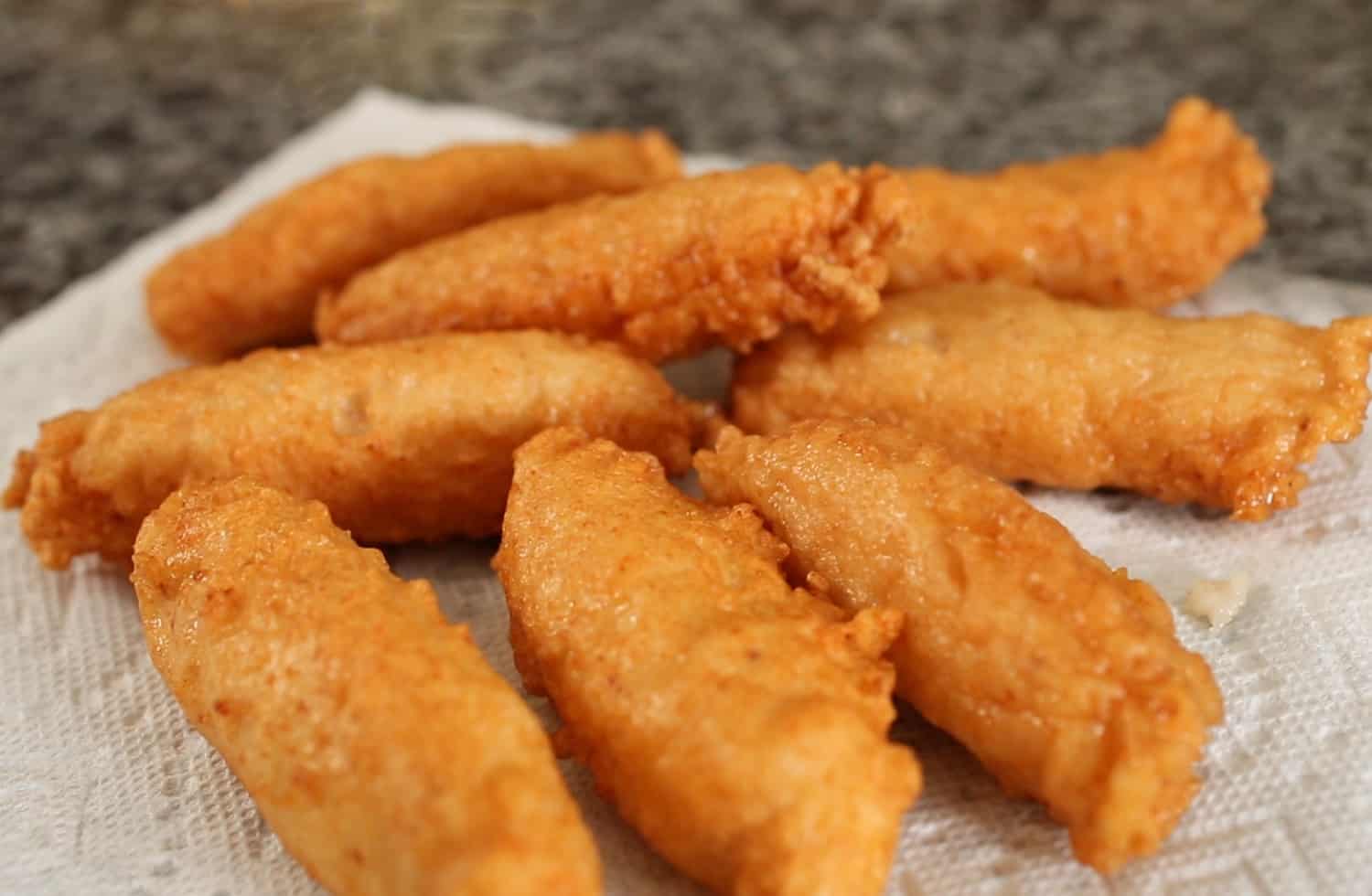
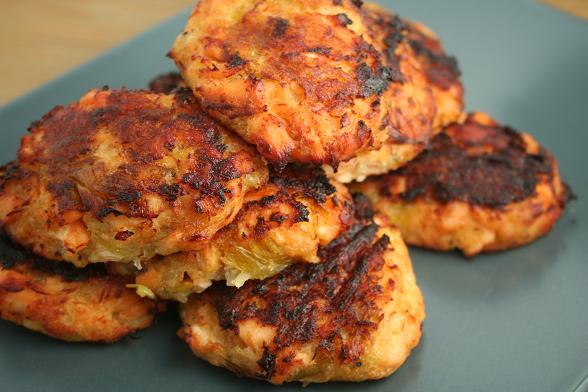
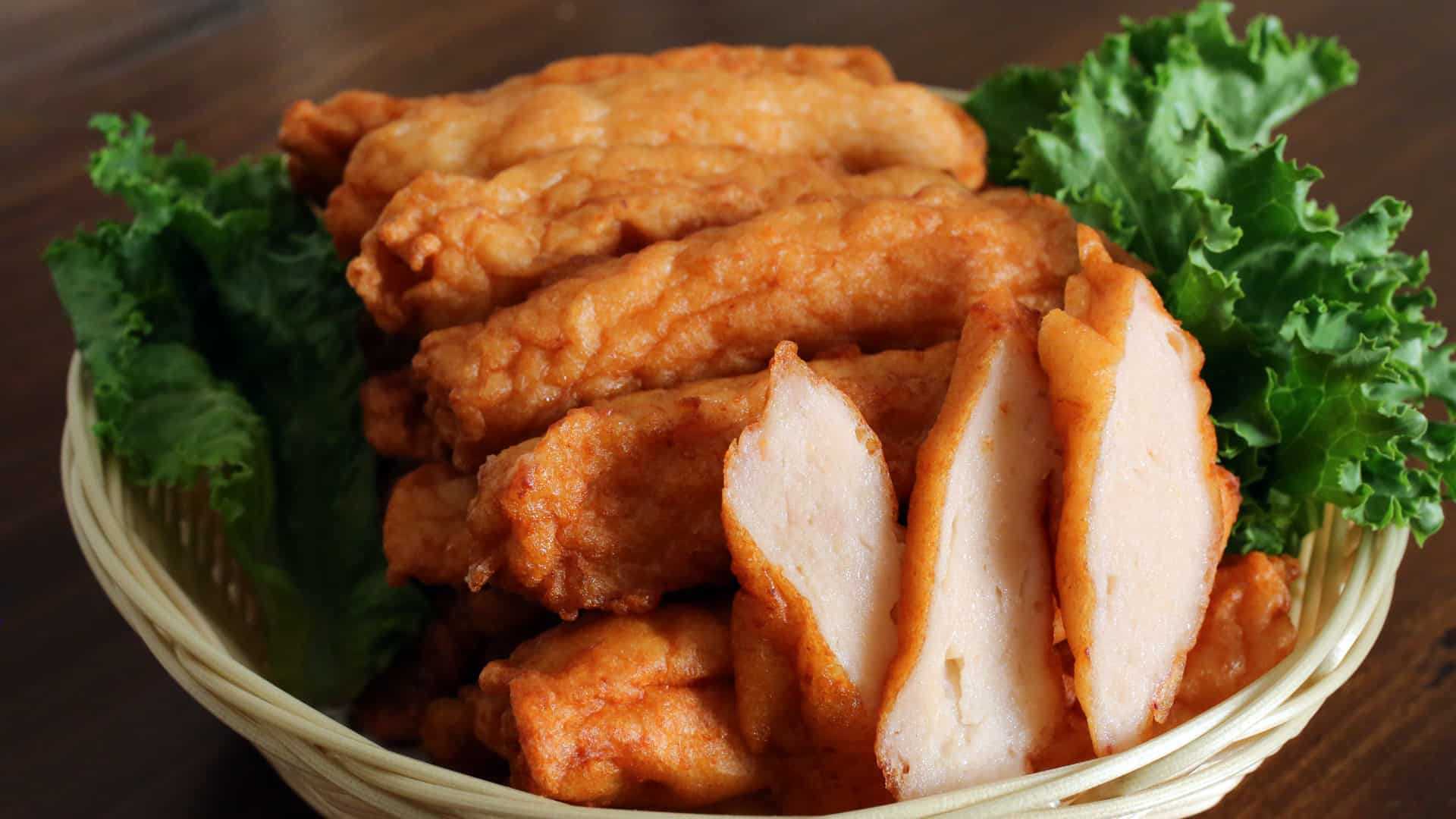
Fish Cake Recipe For Carrot Banana Vanilla Sponge Carrot Fruit Cake Photos

Fish Cake Recipe Biography

Source Link(Google.com.pk)

A fishcake is a food item similar to a croquette, consisting of a filleted fish and potato patty sometimes coated in breadcrumbs or batter, and fried.

The fishcake has been seen as a way of using up leftovers that might otherwise be thrown away. In Mrs Beeton's 19th century publication Book of Household Management, her recipe for fishcakes calls for "leftover fish" and "cold potatoes.More modern recipes have added to the dish, suggesting ingredients such as smoked salmon and vegetables.
Commonly fishcakes used cod as a filling; however, as cod stocks have been depleted other varieties of white fish are used, such as haddock or whiting.Fishcakes may also use oily fish such as salmon for a markedly different flavour.

Fishcakes have also traditionally been made from salted fish (most commonly cod, haddock, or pollock). Fishcakes are also prepared without breadcrumbs or batter, and are made with a mixture of cooked fish, potatoes, and occasionally eggs formed into patties and then fried.

As fish has traditionally been a major dietary component of people living near seas, rivers, and lakes, there have arisen many regional variations of the fish cake.

Variations can depend on what type of fish is used; how finely chopped the fish is; the use of milk or water; the use of flour or boiled potatoes; the use of eggs, egg whites, or no eggs; the cooking method (boiling, frying, or baking); and the inclusion of other ingredients (for example, shrimp, bacon, herbs, or spices).

In Japan, Korea, Taiwan, China and Vietnam, surimi (fish cakes) are a popular ingredient in hotpot, soups, stirfries, dim sum, or deep-fried and eaten as a snack.
In Yorkshire, England, the “Yorkshire fishcake” is a variation traditionally served in many fish and chip shops in South Yorkshire, parts of West Yorkshire, and Humberside. It consists of two slices of potato (sometimes parboiled), with offcuts of fish in between, deep fried in batter.Yorkshire fishcakes can also be known as scallop fishcakes, or fish patties. TV chef Brian Turner has made the recipe available via his website.Another variation of the fishcake is the parsley cake which is sold in some fish and chip shops in and around Castleford, West Yorkshire, England. It consists of minced fish, mashed potato and fresh parsley, coated in breadcrumbs and deep fried.
In Vietnam, fishcakes are made of fresh fish, sometimes along with flour. The fishcakes can either be fried or steamed/boiled.
In Bermuda, they are known as Bermuda fishcakes and are made especially during Easter, but also throughout the year. Here fishcakes are normally eaten between hot cross buns.
In Denmark, fiskefrikadeller are slightly elongated, pan-fried patties much like regular frikadeller. They are normally not breaded. A similar dish which is boiled, rather than fried, is called fiskeboller and added to certain soups, though it may be closer to a fish version of a knödel. In Southern Jutland, fiskefrikadeller sometimes contain smoked pork fat.
In parts of East Asia, fish balls are made of kneaded (not minced) fish dough.
In Japan, white fish is puréed and steamed into a loaf called kamaboko. Fried fishcakes, such as satsumaage, are also popular.
In Edinburgh, Scotland, fish patties are traditionally served with haggis, tatties, and neeps.
In Jewish cuisine, gefilte fish are patties of white fish mixed with matzoh or challah, poached in the skin of the fish.
In Norway, spherical fiskeboller (“fish buns”: fisk + boller) are formed from forcemeat. They are generally served with a white sauce and boiled carrots, and a popular condiment is mild curry powder.
In Northern Germany, fishcakes are known as Fischfrikadellen.
In Romania, fishcakes are called chiftele de peşte and are made with carp.
In Portugal, Pastéis de Bacalhau (codfish pasties) are a type of very popular fishcake. Pastéis are made of potato, codfish (Bacalhau), parsley, and eggs.
In Puerto Rico and the Dominican Republic, bacalaítos are eaten either as a snack or as part of a meal.
In Sweden, canned fiskbullar are widely found; in contrast to fiskefrikadeller, they are not fried but boiled and as a result are almost entirely white.
In Thai cuisine, the fish is first mashed and then mixed with chopped yardlong beans, fresh cilantro (including stalks), fish sauce, kaffir lime leaves, red curry paste, and an egg binding. This is deep fried and usually served with a sweet chilli dipping sauce. Thot man pla have become popular around the world.
In Newfoundland and Labrador, the fish is generally salted cod flakes and is blended with mashed potatoes. Savory is used instead of parsley, along with minced sweated onions. The cakes are then formed into rounds and cooked in oil or pork back fat until golden brown.
Indonesian varieties of fishcakes are locally known in South Sumatra as pempek or empek-empek. The traditional South Sumatran pempek is served with kuah cuka. These fishcakes are usually round or tube-shaped.
In West Bengal, several local fish species (mostly riverine) are prepared and eaten in deep-fried breadcrumb covered fishcakes, locally called maacher chop. The item is very popular as an appetizer during middle-class Bengali festivities.
In Barbados, fishcakes are made from a saltfish and flour batter, fried in oil.
In Saint Helena, fishcakes are made from locally caught tuna or wahoo scraped into mashed potato with herbs and spices, then moulded into cakes and fried in oil. They are often spicy or, as locals would describe, 'with bite.' Traditional Recipe


Ingredients

300 g potatoes
100 g salmon fillet,from sustainable sources, ask your fishmonger, skin on and no scales on the skin, all bones removed
1small handful fresh parsley
1 free-range egg
1 lemon
olive oil
1 tablespoon plain flour,extra for dusting

Method

Bring a large pot of salted water to the boil. Peel your potatoes, chop them into even sized chunks (or use the left over potatoes from your baked potatoes – scoop out the potato and discard the skin), add the potatoes to the boiling water and bring back to the boil. Rub the salmon fillet all over with a little olive oil and a pinch of salt and pepper. When your potatoes have half way cooked, place the salmon into a colander, then cover this with foil, and place the colander over the pot of boiling potatoes. Turn the heat down and cook for 8-10 minutes, until the salmon and potatoes are both cooked.

Remove the fish from the colander and put to one side. Drain the potatoes in the same colander, then return them to the pot and let them steam dry for a minute. Pick the parsley leaves and finely chop them, discarding the stalks. Mash the potatoes, spreading the mash round the sides of the pan to help it cool down quickly. Remove any skin from the salmon. When the potatoes are cooled, put it into a bowl and flake the fish into it with 1 tablespoon of flour. Add the egg and chopped parsley with a really good pinch of salt and pepper. Finely grate over the lemon zest, then mash and mix it up really well.

Dust a plate with a little of the extra flour. Divide your fish cakes into 4, lightly shape and pat into circles about 2cm thick, dusting them with flour as you go. Put them onto a clean plate also dusted with a little flour. – If you are going to freeze them at this point, wrap them in clingfilm and put them into the freezer. Otherwise simply pop them into the fridge for an hour before cooking – this will allow them to firm up slightly.

Put a large fry pan on a medium heat and add a couple of lugs of olive oil. When the oil is nice and hot, add your fishcakes and cook for about 3 – 4 minutes on each side or until crisp and golden – you may need to cook them in two batches. Serve straight away, with lemon halves for squeezing over, serve with lovely veg or a cool crisp salad. These fish cakes also go really if you use tuna instead of the salmon.

 Fish Cake Recipe For Carrot Banana Vanilla Sponge Carrot Fruit Cake Photos
 Fish Cake Recipe For Carrot Banana Vanilla Sponge Carrot Fruit Cake Photos
 Fish Cake Recipe For Carrot Banana Vanilla Sponge Carrot Fruit Cake Photos
 Fish Cake Recipe For Carrot Banana Vanilla Sponge Carrot Fruit Cake Photos
 Fish Cake Recipe For Carrot Banana Vanilla Sponge Carrot Fruit Cake Photos
 Fish Cake Recipe For Carrot Banana Vanilla Sponge Carrot Fruit Cake Photos
 Fish Cake Recipe For Carrot Banana Vanilla Sponge Carrot Fruit Cake Photos
 Fish Cake Recipe For Carrot Banana Vanilla Sponge Carrot Fruit Cake Photos
 Fish Cake Recipe For Carrot Banana Vanilla Sponge Carrot Fruit Cake Photos
 Fish Cake Recipe For Carrot Banana Vanilla Sponge Carrot Fruit Cake Photos
 Fish Cake Recipe For Carrot Banana Vanilla Sponge Carrot Fruit Cake Photos