Wednesday, 18 November 2015

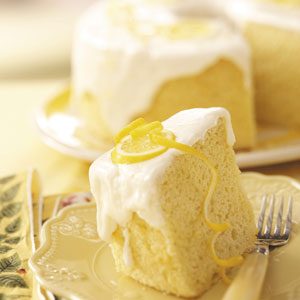
Lemon Cake Recipe For Carrot Banana Vanilla Sponge Carrot Fruit Cake Photos

Lemon Cake Recipe biography


Source Link(Google.com.pk)


For the decoration
1 thin-skinned lemon
50g/1¾oz caster sugar
For the cake
2 small or 1 large thin-skinned lemons
275g/9¾oz softened butter
275g/9¾oz caster sugar
275g/9¾oz self-raising flour
2 level tsp baking powder
4 free-range eggs
For the filling
50g/1¾oz soft butter
175g/6oz icing sugar
250g/9oz full-fat Italian mascarpone
175g/7oz fondant icing sugar
Preparation method
For the decoration, using a zester, peel long strips of lemon rind. If you haven’t got a zester, thinly peel the lemon, then cut into fine strips. Set aside the remaining lemon.
Place the peel in a saucepan, cover with boiling water and half the caster sugar and boil for one minute. Drain and pat dry, then put onto non-stick parchment paper. Scatter over the remaining sugar and toss to coat the lemon peel. Arrange on the non-stick baking parchment and leave in a warm place to dry out for as long as possible or overnight, until crisp. If you are in a hurry, dry out in a low oven 110C/225F/Gas ¼ for 30 minutes.
Cut the zested lemon in half and squeeze the juice. Set it aside to make the icing.
For the cake, place the two whole (or one large) lemons in a small saucepan, cover with water, bring to the boil and simmer for 20 minutes, or until very soft and tender. Drain, cut the lemons in half and remove any pips.
Preheat the oven to 180C/350F/Gas 4 (160C fan).
Place the lemons, including the skin, in a food processor and process until smoothish, but still with some chunky bits. Put the mixture in a small bowl.
Add all the remaining cake ingredients into the food processor and blend until smooth. Lift out the blade and stir in just over half of the lemon pulp. Set the rest aside.
Divide the mixture evenly between the two tins and bake for 30 minutes, or until golden-brown and just shrinking from the edge of the tins.
Leave to cool for five minutes, then turn the cakes out, peel off the baking parchment and leave to finish cooling on a wire rack.
For the lemon filling, blend the butter and icing sugar in a food processor until smooth and creamy. Add the mascarpone, blend again and then add the lemon pulp and blend until just mixed.
Cut both cakes in half so that you have four layers. Spread the lemon cream evenly between the layers, stacking them on top of each other.
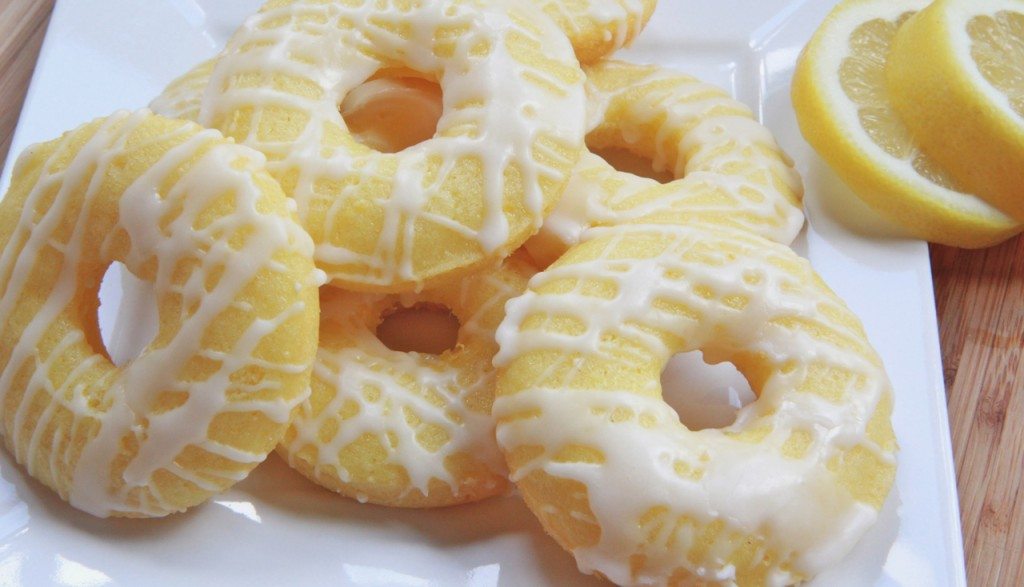
Mix the fondant icing sugar with 1-2 tbsp lemon juice (from the lemon used to make the candied zest decoration) to make a thick pouring consistency. Pour the icing over the top of the cake allowing it to drizzle down. Sprinkle the candied lemon rind on top.

Lemon Cake Recipe For Carrot Banana Vanilla Sponge Carrot Fruit Cake Photos

Tuesday, 17 November 2015

Birthday Cake Recipe For Carrot Banana Vanilla Sponge Carrot Fruit Cake Photos

Birthday Cake Recipe Biography

Source Link(Google.com.pk)

The birthday cake has been an integral part of the birthday celebrations in western European countries since the middle of the 19th century, which extended to Western culture.Certain rituals and traditions, such as singing of birthday songs, associated with birthday cakes are common to many Western cultures. The Western tradition of adding lit candles to the top of a birthday cake originates in 18th-century Germany. However, the intertwining of cakes and birthday celebrations stretches back to the ancient Romans. The development of the birthday cake has followed the development of culinary and confectionery advancement. While throughout most of Western history, these elaborate cakes in general were the privilege of the wealthy, birthday cakes are nowadays common to most Western birthday celebrations. Around the world many variations of the birthday cake, or rather the birthday pastry and sweets, exist. There is no universal rule about the shape and color of a birthday cake – in recent years for example cakes take the form of animals or have high-quality drawings on them in order to fit the party theme.
For the Cake
Position a rack in the middle of the oven and preheat to 350 degrees. Spray two 8 or 9-inch cake pans with nonstick cooking spray (note: 8-inch cake pans will give you a much higher cake). Cut two 8 or 9-inch rounds of parchment or wax paper and line the bottom of each pan; spray the paper with nonstick spray. (To measure the parchment paper, just trace the bottom of the pan.)
In a medium bowl, whisk together the flour, baking powder, and salt.
Place the butter and sugar in the bowl of a heavy-duty mixer fitted with the paddle attachment and beat on medium speed for about 5 minutes, or until very soft and light. Beat in the vanilla and almond extracts.
Meanwhile, whisk together the egg whites and milk by hand in a medium bowl until just combined.
Reduce the mixer speed to low and beat in one-quarter of the flour mixture, then one-third of the milk mixture, stopping and scraping down the bowl and beater after each addition. Beat in another quarter of the flour, then another third of the milk mixture. Scrape again. Repeat with another quarter of the flour and the remaining milk mixture; scrape. Finally, beat in the remaining flour mixture.
Scrape the bowl with a large rubber spatula. Don't worry if the the batter looks a little grainy. Pour the batter into the prepared cake pans and smooth the tops.
Bake the cakes for 30-35 minutes, until they are well risen and firm and a toothpick inserted into the center emerges clean. Cool the cakes in the pans on rack for 5 minutes, then unmold onto rack to finish cooling right side up (keep parchment paper underneath cake layers so they don't stick to rack). When cake layers are completely cool, transfer to cake plate and frost with vanilla buttercream
For the Vanilla Buttercream
In the bowl of an electric mixer, cream the butter and cream cheese until creamy and well combined.
Gradually add the confectioners' sugar, then beat in the vanilla and salt. If the frosting is too thick, add 1-2 tablespoons of milk or cream.
For something chocolate-free but equally rich, we love coconut cake. A classic coconut cake is simple—freshly shredded coconut, meringue frosting, and a yellow cake. For something different, coconut cream cheese frosting is great for carrot cake. Danish dream cake is a simple sponge cake elevated with a brown sugar and coconut topping.
Lemon is great for cutting the sweetness of a cake, allowing a rich dessert to feel a little lighter. Our lemon layer cake incorporates the fruit three ways—zested into the batter, in a tart syrup that gets drizzled over the cakes, and in a thick lemon curd frosting. Or pair sweet-tart lemon curd with a delicate white chocolate buttercream
Birthday Cake Recipe For Carrot Banana Vanilla Sponge Carrot Fruit Cake Photos

Carrot Cake Recipe For Carrot Banana Vanilla Sponge Carrot Fruit Cake Photos
Carrot Cake Recipe Biography

Source Link(Google.com.pk)

Carrot cake recipe closely resembles a quick bread in method of preparation (all the wet ingredients, such as the eggs and sugar, are mixed, all the dry ingredients are mixed, and the wet are then added to the dry) and final consistency (which is usually denser than a traditional cake and has a coarser crumb).
Many carrot cake recipes include optional ingredients, such as kirsch, cinnamon, nuts, pineapple or raisins. The most common icing on carrot cake is icing sugar and lemon juice or icing sugar and kirsch (Europe) and an icing with icing sugar, butter and cream cheese (United States).
As the cake is relatively moist, it can be conserved longer than many other types of cakes.
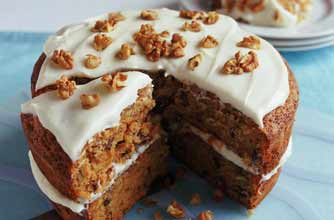
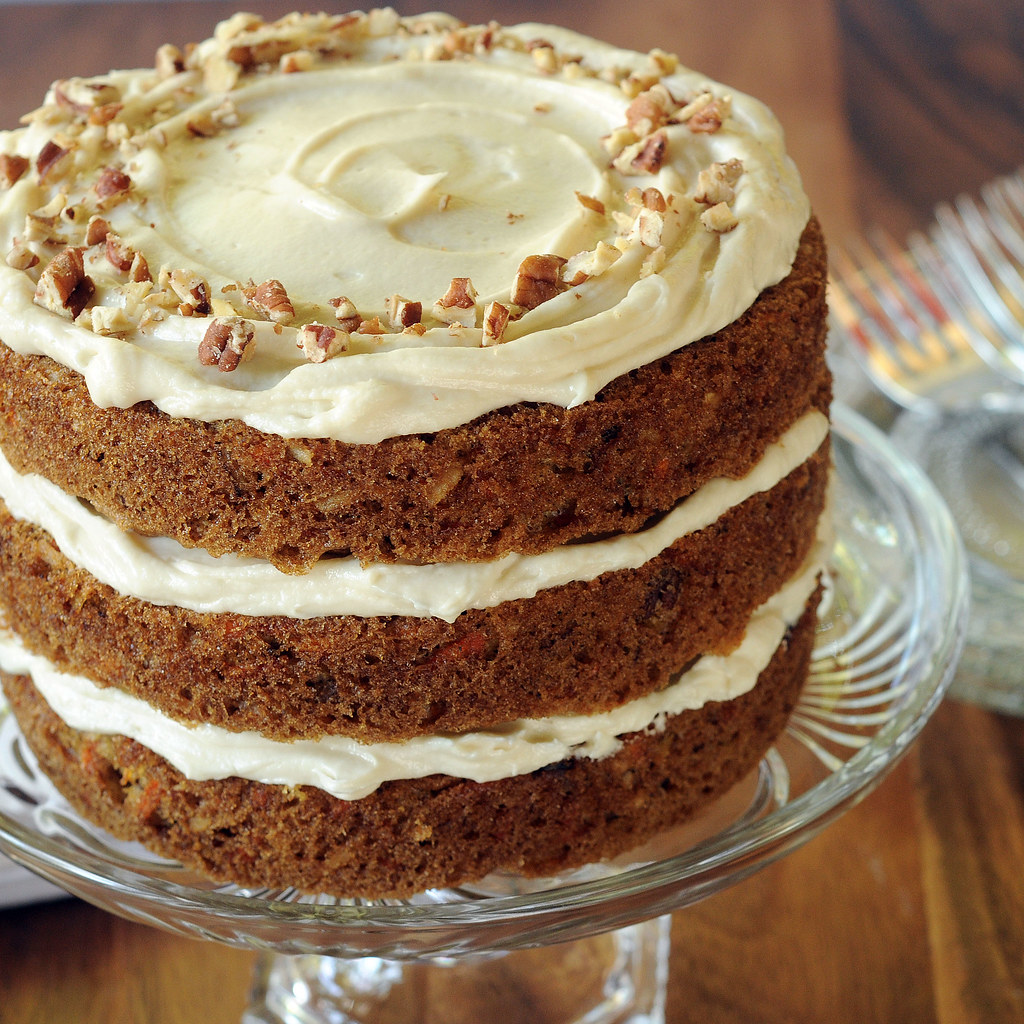
Carrot cake may be eaten plain, but it is commonly either glazed or topped with white icing or cream cheese icing and walnuts, usually chopped. It is often coated with icing ormarzipan made to look like carrots. Carrot cake is popular in loaf, sheet cake and cupcake forms, and (in the United Kingdom, as well as North America) can be found pre-packaged at grocery stores, and fresh at bakeries. Some carrot cakes are even layered.
Carrots have been used in sweet cakes since the medieval period, during which time sweeteners were scarce and expensive, while carrots, which contain more sugar than any other vegetable besides the sugar beet, were much easier to come by and were used to make sweet desserts. The origins of carrot cake are disputed. Recipes for carrot cake occur as early as 1827.[3] The oldest known recipe of carrot cake dates from 1892, in a book of the housekeeping school of Kaiseraugst (Canton of Aargau, Switzerland).[4]According to the Culinary Heritage of Switzerland, it is one of the most popular cakes in Switzerland, especially for the birthdays of children.[4]
The popularity of carrot cake was probably revived in Great Britain because of rationing during the Second World War.[5] Carrot cakes first became commonly available in restaurants and cafeterias in the United States in the early 1960s. They were at first a novelty item, but people liked them so much that carrot cake became standard dessert fare.[citation needed] In 2005, the American-based television channel Food Network listed carrot cake, with its cream-cheese icing, as number five of the top five fad foods of the 1970s. Carrot cake was voted as the favourite cake in the United Kingdom, according to a survey in the Radio Times in 2011.
Another story indicates that following the Second World War there was a glut of canned carrots in the United States. A business man named George C. Page hired master bakers to find uses for the cans of carrots. He somehow promoted the idea of carrot cake to help create a demand for the product.[citation needed]
PREPARATION
Make the cake:

Position a rack in the middle of the oven and preheat to 375°F. Butter the bottom and sides of 2 (9-inch-round, 2-inch-deep) cake pans and line the bottoms with parchment paper.
In a large bowl, whisk together the flour, baking powder, baking soda, salt, cinnamon, nutmeg, and allspice.
In the bowl of a stand mixer fitted with the paddle attachment, mix the brown sugar on the lowest speed to break up any lumps. Add 1 egg and continue to mix on low until smooth and incorporated. Add the remaining eggs, one at a time, and mix on low until smooth and incorporated. Shut off the mixer and scrape down the bowl and paddle. Return the mixer to low then add the oil in a thin steady stream and continue to beat until fully incorporated.
Add the flour mixture in 3 batches, using a large rubber spatula to fold the mixture together until just incorporated. Fold in the carrots, along with the nuts and raisins, if using.
Divide the batter between the prepared pans and smooth the tops. Bake until the layers are firm and risen and the tip of a paring knife inserted in the center of the cake emerges clean, about 40 minutes. Transfer to a wire rack to let cool for 5 minutes then invert the cake layers onto the rack and peel off the parchment paper. Use another rack or a large plate to invert the cake layers again then slide them back on to the rack so they are right side up. Let the cake layers cool completely. DO AHEAD: The cakes can be baked ahead, cooled, wrapped in a double layer of plastic wrap, and refrigerated for up to 2 days, or frozen up to 1 month.
Once the cake is completely cool, make the frosting:
In the bowl of a stand mixer fitted with the paddle attachment, combine the cream cheese and butter and beat on medium until smooth, 30 seconds to 1 minute. Shut off the mixer and scrape down the bowl and paddle. Add the confectioners' sugar and vanilla, and beat on medium, scraping down the bowl and paddle as necessary, until light and fluffy, about 2 minutes.

Carrot Cake Recipe For Carrot Banana Vanilla Sponge Carrot Fruit Cake Photos
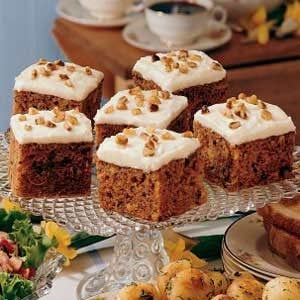
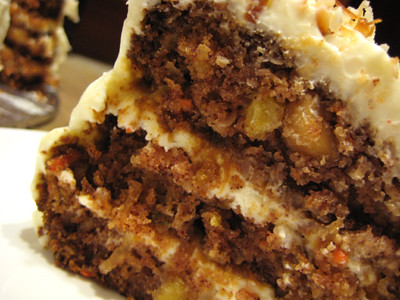
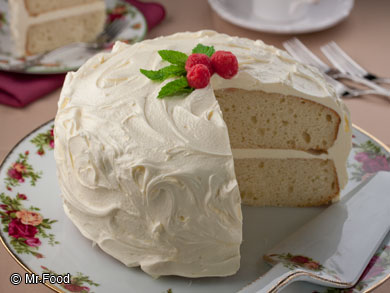
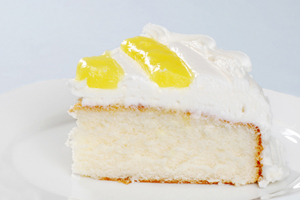

White Cake Recipe For Carrot Banana Vanilla Sponge Carrot Fruit Cake Photos
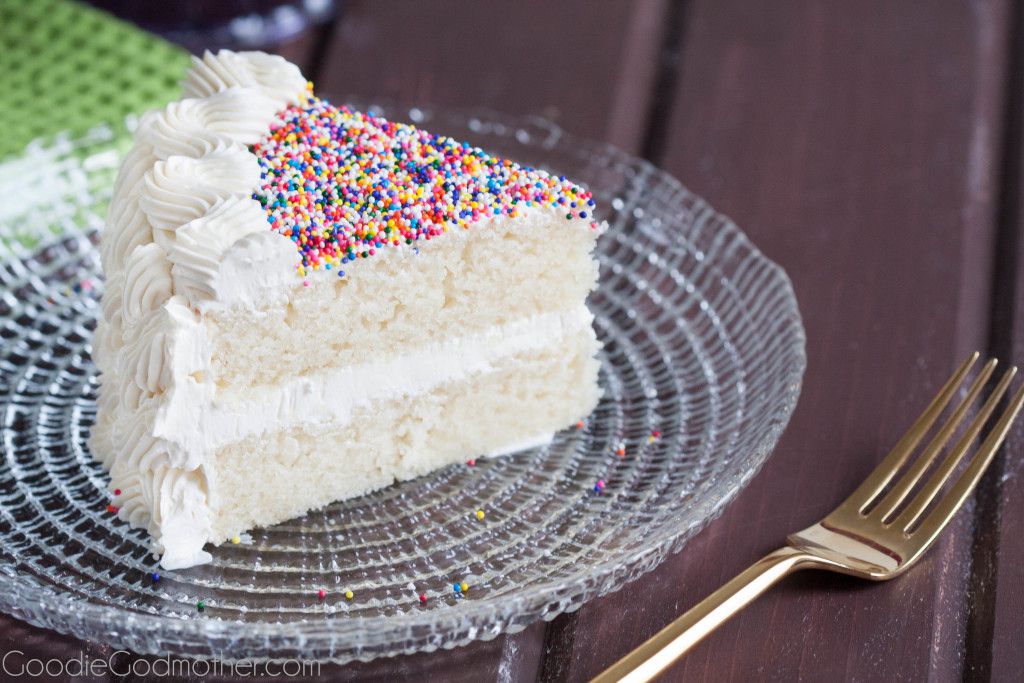
White Cake Recipe Biography

Source Link(Google.com.pk)

White cake — as opposed to the golden brown Victoria sponges here in Britain — is an American classic. Because only egg whites are used, and baking fat rather than butter, it retains a pale colour and a light texture. It’s much sweeter than a Victoria sponge, but I say that a birthday without a raging sugar rush is just another day

PREPARATION

Set oven rack in middle position. (If oven is too small to cook both layers on a single rack, set racks in upper-middle and lower-middle positions.) Heat oven to 350 degrees. Spray two 9-inch round cake pans with nonstick cooking spray; line the bottoms with parchment or waxed paper rounds. Spray the paper rounds, dust the pans with flour, and invert pans and rap sharply to remove excess flour. Pour milk, egg whites, and extracts into 2-cup glass measure, and mix with fork until blended. Mix cake flour, sugar, baking powder, and salt in bowl of electric mixer at slow speed. Add butter; continue beating at slow speed until mixture resembles moist crumbs, with no powdery streaks remaining. Add all but 1/2 cup of milk mixture to crumbs and beat at medium speed (or high speed if using handheld mixer) for 1 1/2 minutes. Add remaining 1/2 cup of milk mixture and beat 30 seconds more. Stop mixer and scrape sides of bowl. Return mixer to medium (or high) speed and beat 20 seconds longer. Divide batter evenly between two prepared cake pans; using rubber spatula, spread batter to pan walls and smooth tops. Arrange pans at least 3 inches from the oven walls and 3 inches apart. (If oven is small, place pans on separate racks in staggered fashion to allow for air circulation.) Bake until thin skewer or toothpick inserted in the center comes out clean, 23 to 25 minutes. Let cakes rest in pans for 3 minutes. Loosen from sides of pans with a knife, if necessary, and invert onto wire racks. Reinvert onto additional wire racks. Let cool completely, about 1 1/2 hours.
For the Cake Layers
2 cups all-purpose flour, spooned into measuring cup and leveled-off with back edge of knife
2 teaspoons baking powder
1/4 teaspoon salt
12 tablespoons (1-1/2 sticks) unsalted butter, softened
1-1/2 cups granulated sugar
6 large egg whites, at room temperature
3/4 cup whole milk, at room temperature
1-1/2 teaspoons vanilla extract
1/2 teaspoon almond extract
For the Buttercream
12 tablespoons (1-1/2 sticks) unsalted butter, softened
1/2 cup plus one tablespoon cream cheese, at room temperature
6 cups confectioners' sugar
3 teaspoons vanilla extract
Pinch salt
Instructions

For the Cake
Position a rack in the middle of the oven and preheat to 350 degrees. Spray two 8 or 9-inch cake pans with nonstick cooking spray (note: 8-inch cake pans will give you a much higher cake). Cut two 8 or 9-inch rounds of parchment or wax paper and line the bottom of each pan; spray the paper with nonstick spray. (To measure the parchment paper, just trace the bottom of the pan.)
In a medium bowl, whisk together the flour, baking powder, and salt.
Place the butter and sugar in the bowl of a heavy-duty mixer fitted with the paddle attachment and beat on medium speed for about 5 minutes, or until very soft and light. Beat in the vanilla and almond extracts.
Meanwhile, whisk together the egg whites and milk by hand in a medium bowl until just combined.
Reduce the mixer speed to low and beat in one-quarter of the flour mixture, then one-third of the milk mixture, stopping and scraping down the bowl and beater after each addition. Beat in another quarter of the flour, then another third of the milk mixture. Scrape again. Repeat with another quarter of the flour and the remaining milk mixture; scrape. Finally, beat in the remaining flour mixture.
Scrape the bowl with a large rubber spatula. Don't worry if the the batter looks a little grainy. Pour the batter into the prepared cake pans and smooth the tops.
Bake the cakes for 30-35 minutes, until they are well risen and firm and a toothpick inserted into the center emerges clean. Cool the cakes in the pans on rack for 5 minutes, then unmold onto rack to finish cooling right side up (keep parchment paper underneath cake layers so they don't stick to rack). When cake layers are completely cool, transfer to cake plate and frost with vanilla buttercream.
For the Vanilla Buttercream
In the bowl of an electric mixer, cream the butter and cream cheese until creamy and well combined.
Gradually add the confectioners' sugar, then beat in the vanilla and salt. If the frosting is too thick, add 1-2 tablespoons of milk or cream.

    1. White Cake Recipe For Carrot Banana Vanilla Sponge Carrot Fruit Cake Photos


    2. White Cake Recipe For Carrot Banana Vanilla Sponge Carrot Fruit Cake Photos


    3. White Cake Recipe For Carrot Banana Vanilla Sponge Carrot Fruit Cake Photos


    4. White Cake Recipe For Carrot Banana Vanilla Sponge Carrot Fruit Cake Photos


    5. White Cake Recipe For Carrot Banana Vanilla Sponge Carrot Fruit Cake Photos
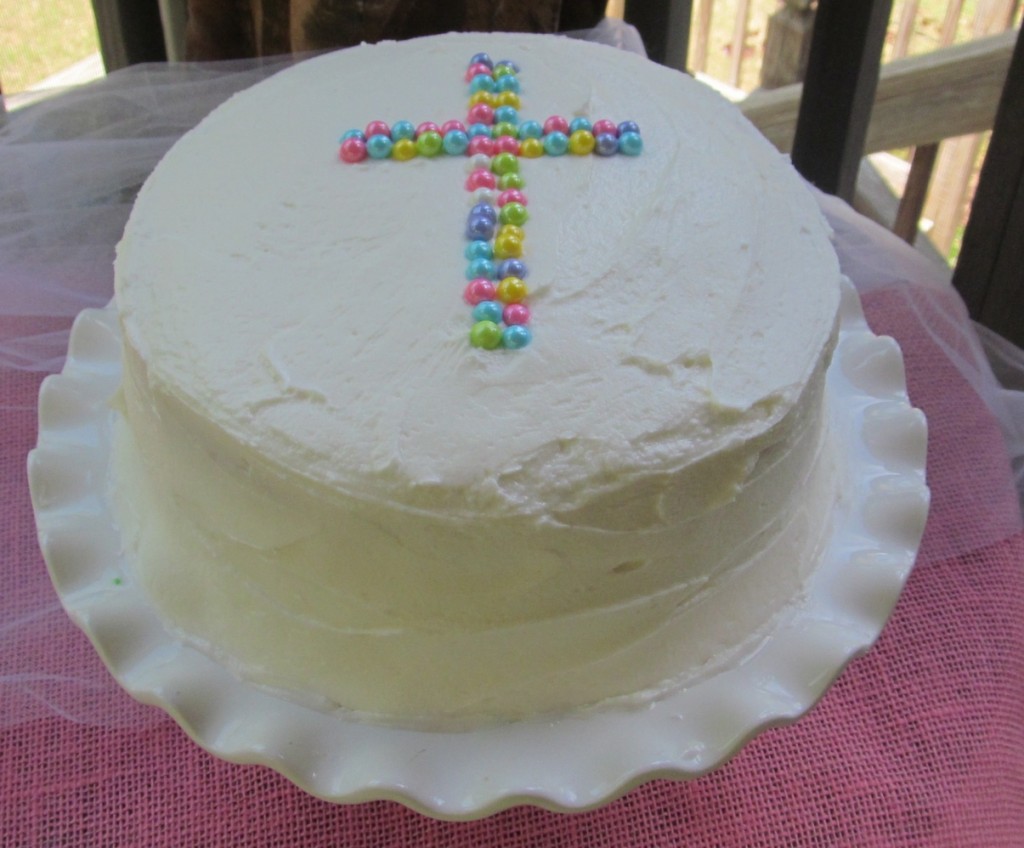

    6. White Cake Recipe For Carrot Banana Vanilla Sponge Carrot Fruit Cake Photos


    7. White Cake Recipe For Carrot Banana Vanilla Sponge Carrot Fruit Cake Photos


    8. White Cake Recipe For Carrot Banana Vanilla Sponge Carrot Fruit Cake Photos


    9. White Cake Recipe For Carrot Banana Vanilla Sponge Carrot Fruit Cake Photos


    10. White Cake Recipe For Carrot Banana Vanilla Sponge Carrot Fruit Cake Photos


    11. White Cake Recipe For Carrot Banana Vanilla Sponge Carrot Fruit Cake Photos

Simple Cake Recipe For Carrot Banana Vanilla Sponge Carrot Fruit Cake Photos

Simple Cake Recipe biography

Source Link(Google.com.pk)

The term "cake" has a long history. The word itself is of Viking origin, from the Old Norse word "kaka".
Although clear examples of the difference between cake and bread are easy to find, the precise classification has always been elusive.For example, banana bread may be properly considered either a quick bread or a cake.
The Greeks invented beer as a leavener, frying fritters in olive oil, and cheesecakes using goat's milk.In ancient Rome, basic bread dough was sometimes enriched with butter, eggs, and honey, which produced a sweet and cake-like baked good.Latin poet Ovid refers to the birthday of him and his brother with party and cake in his first book of exile, Tristia.
Early cakes in England were also essentially bread: the most obvious differences between a "cake" and "bread" were the round, flat shape of the cakes, and the cooking method, which turned cakes over once while cooking, while bread was left upright throughout the baking process.
Sponge cakes, leavened with beaten eggs, originated during the Renaissance, possibly in Spain.
During the Great Depression, there was a surplus of molasses and the need to provide easily made food to millions of economically depressed people in the US.One company patented a cake-bread mix in order to deal with this economic situation, and thereby established the first line of cake in a box. In so doing, cake as it is known today became a mass-produced good rather than a home- or bakery-made specialty.
Later, during the post-war boom, other American companies (notably General Mills) developed this idea further, marketing cake mix on the principle of convenience, especially to housewives. When sales dropped heavily in the 1950s, marketers discovered that the cake in a box rendered the cake-making function of housewives relatively dispiriting. This was a time when women, retired from the war-time labor force, and in a critical ideological period in American history, were confined to the domestic sphere and oriented towards the freshly blossoming consumerism in the US.In order to compensate for this situation, the marketing psychologist Ernest Dichter ushered in the solution to the cake mix problem: frosting.Deprived of the creativity involved in making their own cake, within consumerist culture[clarification needed], housewives and other in-home cake makers could compensate by cake decoration inspired by, among other things, photographs in magazines of elaborately decorated cakes.
Ever since, cake in a box has become a staple of supermarkets, and is complemented with frosting in a can
Cakes may be classified according to the occasion for which they are intended. For example, wedding cakes, birthday cakes, cakes forfirst communion, Christmas cakes, Halloween cakes, and Passover plava (a type of sponge cake sometimes made with matzo meal) are all identified primarily according to the celebration they are intended to accompany. The cutting of a wedding cake constitutes a social ceremony in some cultures. The Ancient Roman marriage ritual of confarreatio originated in the sharing of a cake.
Particular types of cake may be associated with particular festivals, such as stollen or chocolate log (at Christmas), babka and simnel cake(at Easter), or mooncake. There has been a long tradition of decorating an iced cake at Christmas time; other cakes associated with Christmas include chocolate log and mince pies.
A Lancashire Courting Cake is a fruit-filled cake baked by a fiancĂ©e for her betrothed. The cake has been described as "somewhere between a firm sponge - with a greater proportion of flour to fat and eggs than a Victoria sponge cake - and a shortbread base and was proof of the bride-to-be’s baking skills." Traditionally it is a two-layer cake filled and topped with strawberries or raspberries and whipped cream.
Cakes are frequently described according to their physical form. Cakes may be small and intended for individual consumption. Larger cakes may be made with the intention of being sliced and served as part of a meal or social function. Common shapes include:

Simple Cake Recipe For Carrot Banana Vanilla Sponge Carrot Fruit Cake Photos